

Body
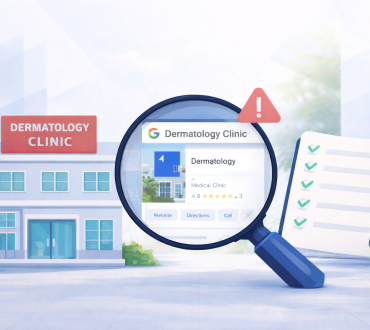
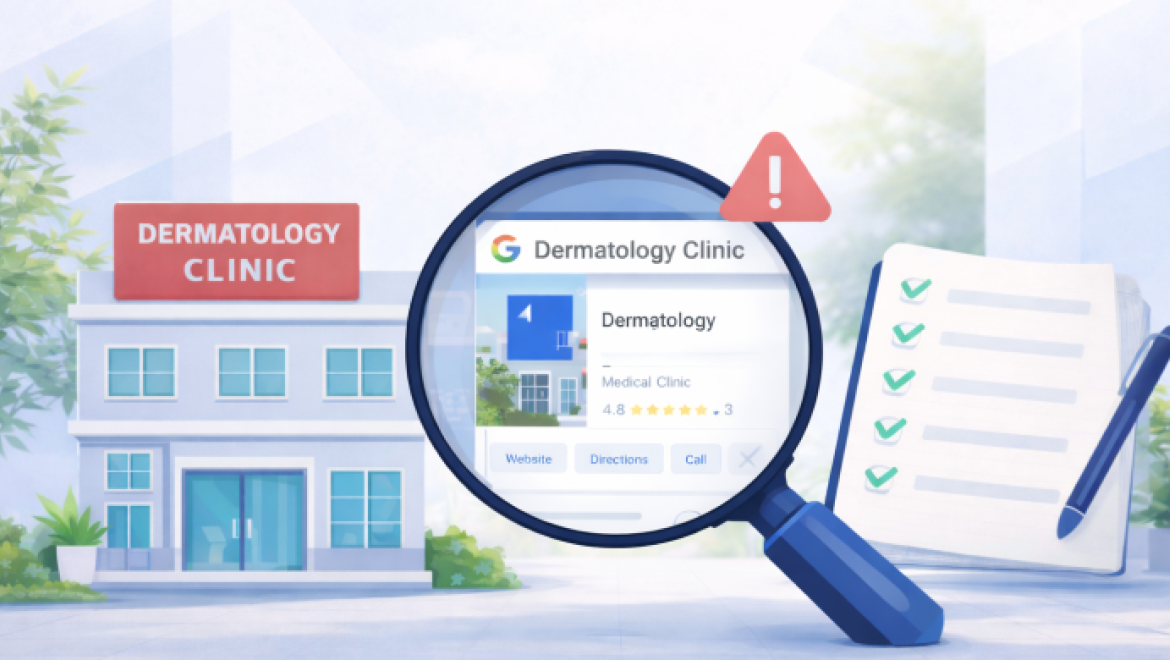
One of the most common questions dermatology clinics ask about local visibility is: “How many Google reviews do we need to rank on Google Maps?” While reviews do influence local search presence, there is no fixed number that guarantees a top position.
Google evaluates reviews as part of a broader local ranking framework, and the impact of reviews varies based on location, competition, and overall profile strength.
This article explains how Google reviews are evaluated and what dermatology clinics typically consider when assessing review-related performance.
Why There Is No Universal Review Number
Dermatology clinics operate in different local environments. A clinic in a metro area with high competition may face different benchmarks than one in a smaller city.
Google does not publish minimum review requirements. Instead, it evaluates relative strength compared to nearby competitors.
Key Review Factors That Influence Visibility
1. Review Volume (Relative, Not Absolute)
Review count matters in context. Clinics are usually compared against others ranking for the same searches in the same area.
A clinic with fewer reviews may still appear prominently if competitors also have similar review levels.
2. Review Recency & Consistency
Google tends to value ongoing activity. Reviews spread naturally over time may signal sustained patient engagement more effectively than large but outdated review counts.
Long gaps without new reviews can affect how active a profile appears.
3. Review Content & Relevance
While patients write reviews in their own words, the presence of treatment-related context can help reinforce relevance.
Generic reviews (“Good doctor”) may carry less informational value than detailed feedback describing patient experience.
4. Overall Rating Stability
Extreme fluctuations in ratings-sudden drops or spikes-can raise quality concerns.
A stable and realistic rating often reflects consistent patient experiences and contributes to trust.
5. Review Responses & Engagement
Responding to reviews does not directly increase rankings, but it contributes to profile credibility and patient trust.
Engagement also signals that a clinic actively manages its online presence.
Competition Often Sets the Benchmark
Instead of asking “How many reviews do we need?”, dermatology clinics often get clearer insights by asking:
- How many reviews do top-ranking clinics nearby have?
- How frequently do those clinics receive new reviews?
- How detailed and recent are their reviews?
This comparison helps define realistic expectations.
Reviews Are One Part of a Larger Profile
Even clinics with strong review profiles may struggle to rank if other elements are weak, such as:
- Category selection
- Profile completeness
- Business information consistency
- Website relevance
Reviews support visibility, but they do not operate in isolation.
Ethical Considerations Matter
Google’s policies prohibit incentivized or misleading review practices. Clinics that focus on ethical, voluntary feedback tend to build more sustainable review profiles over time.
Short-term spikes can sometimes lead to long-term issues if policies are violated.
Final Thoughts
There is no single review count that guarantees Google Maps rankings for dermatologists. Review performance is best understood relative to local competition, over time, and as part of a broader profile ecosystem.
For most clinics, the focus is not on reaching a specific number, but on maintaining steady, authentic patient feedback.